Anker SOLIX F3800: the battery that speaks for the whole house
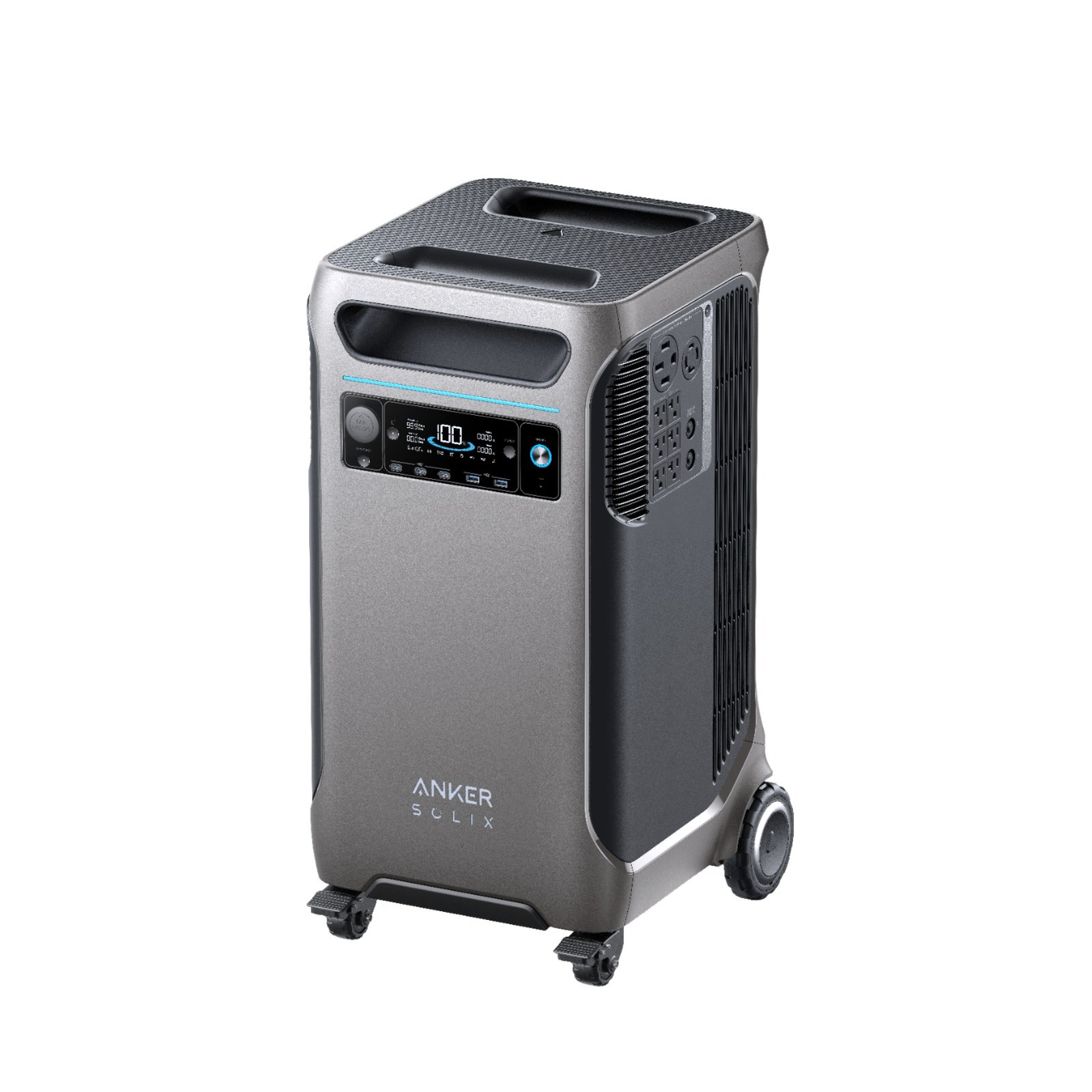
One line on the spec sheet explains this entire cabinet: 120/240 volts. That’s the well pump, the dryer, the loads every other battery on this site politely declines, all handled without an engine, a fuel can, or a decibel worth mentioning. It weighs 132.3 pounds and it means to stay where you put it. For the right house, that’s exactly the point.

The short version
- The Anker SOLIX F3800 in three figures: 3,840 Wh of storage, 6,000 watts of steady output with a 9,000-watt surge, and the one that explains the whole cabinet: 120/240-volt output for the well pumps and dryers other batteries can't touch.
- It cost $2,199.98 on Anker's page, August 26, 2026.
- The sections below cover what those figures run, what 132.3 pounds means in a basement, and what we're carefully not claiming.
Best for 240 volts
Anker SOLIX F3800
The only cabinet here that speaks 240 volts, so the well pump keeps its job.
$2,199.98
Price checked Aug 26, 2026
Most batteries in this price range are kitchen machines. Lovely ones, but the moment a 240-volt load enters the conversation they all go quiet. The F3800 is the one that answers. It’s here because it’s the split-phase machine we can show you with the maker’s own photo and dated figures, and for a house where the well or the dryer is non-negotiable, it turns a generator-sized problem into a rolling cabinet and an electrician’s visit. (The usual boundaries hold: no Powerwall talk, no rooftop quotes, and no numbers Anker didn’t print, outlet counts and solar-input watts included.)
Lovely fit if
- There’s a 240-volt load you won’t give up: a well, a dryer that earns its keep, or a split-phase inlet already in the plan.
- You’ll pay an electrician for a legal hookup, and the phrase “dryer-outlet cheat cord” makes you wince the way it should.
- There’s a dry, flat stretch of floor where 132.3 pounds can live within reach of the panel or inlet.
- You’d rather start with 3,840 Wh and add capacity later than guess your worst outage on day one.
Better served elsewhere if
- Every essential in the house is 120-volt. The AC200L or Explorer 2000 Plus does that job for $899, and your back will thank you.
- The house needs automatic heat and air for days. That’s a standby generator, honestly.
- The only path to the basement is a staircase and hope. Casters do floors. They do not do stairs.
- You wanted the wall pack an installer quoted with a roof. Different product, different site.
The tank, the muscle, and the surge
The tank is 3,840 Wh, and the kitchen translation goes like this: a cycling fridge takes roughly one to two kilowatt-hours a day, the lights and the internet are rounding error beside it, and a 1,500-watt space heater will drink the whole cabinet before the evening news ends. Plan as if you won’t drain it to the floor. You shouldn’t, and LFP chemistry will quietly thank you. That ratio is the honest shape of the product: much more inverter than any portable station carries, and still, always, a tank.
The muscle is 6,000 watts steady with a 9,000-watt surge. Those are Anker’s listed figures as of August 26, 2026, and generous ones. A caution offered with care: a well pump’s wake-up gulp (electricians call it locked-rotor current) can be startling, and 9,000 watts is a rating, not a promise that every motor in the county will spin. Test your actual load in daylight. And the voltage line (120/240 V) is why this review lives in the home-battery category at all: it’s the one line the $899 machines can’t write.
The price that day was $2,199.98, with no crossed-out number beside it. Sales move. The live page always wins. See tonight’s price at Anker →. Same price to you either way, disclosure here.
- Confirm 240 volts is truly required. If it isn’t, you’d be paying for an inverter class you’ll never wake up.
- Add up the must-keep watt-hours for the outages your region actually serves.
- Budget the electrician if wall wiring is the point. The buying guide walks the legal paths.
- Plan the refill (wall power first, panels second) before trusting extra modules to save a sunless week.
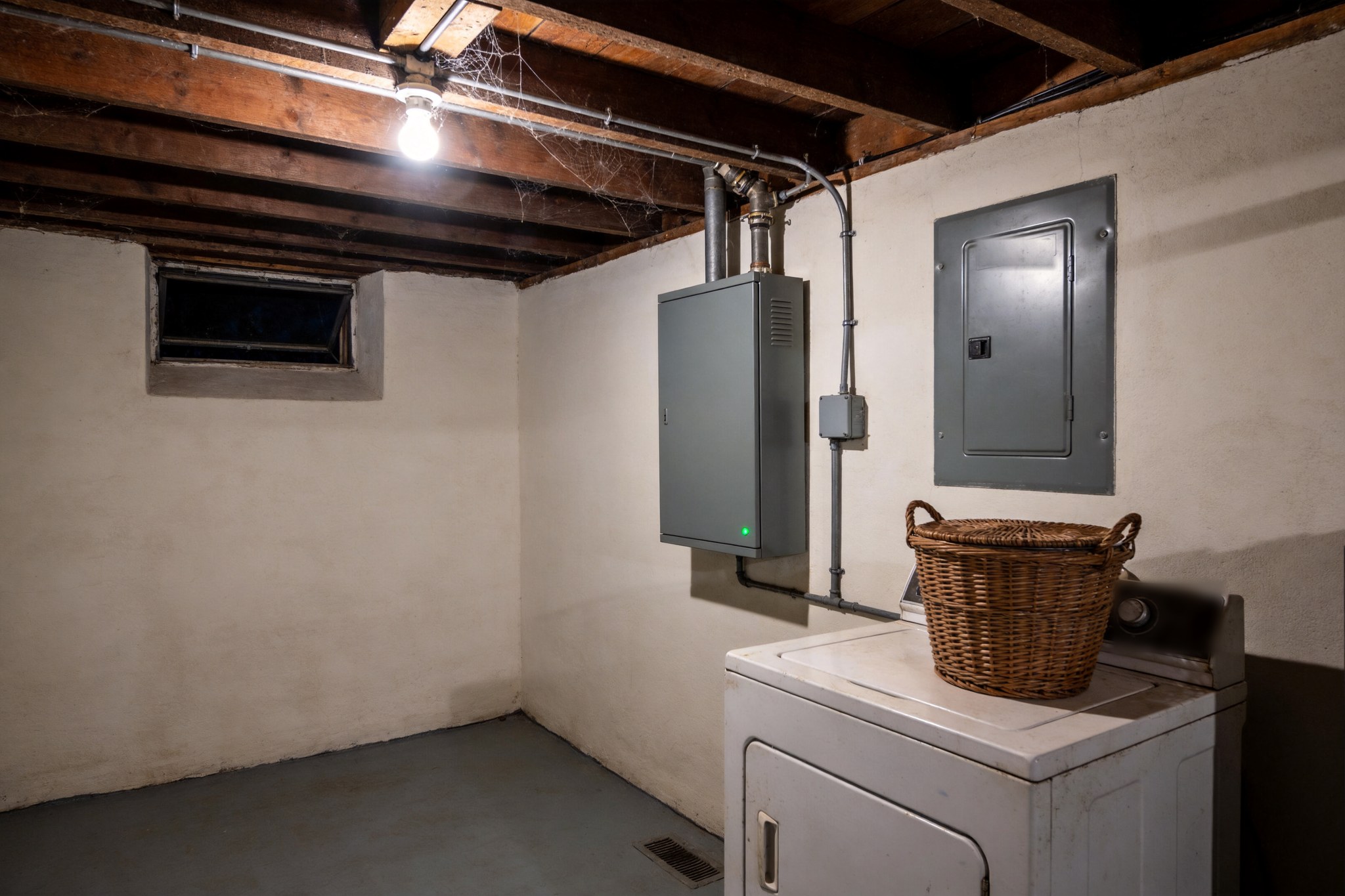
- Walk the route from the delivery truck to the basement with 132.3 pounds in mind. Bring a friend, then keep that friend.
Weight, and where it lives
132.3 pounds decides placement, so let it. The casters glide on a flat slab and surrender completely at the first stair. Two people and a plan beat one person and an optimistic estimate, every single time. Give it a dry corner away from where a tired water heater weeps, with enough clearance that the fans breathe easy. The telling detail: this is still, formally, a “portable” product (a tall wheeled cabinet, not a wall-mounted install), which means it rolls, it just doesn’t travel. For scale, the Explorer 2000 Plus is 61.5 pounds and the AC200L 62.4. The F3800 is the one that picks its spot and keeps it.
The whole review in one warm breath: it’s the battery for the house where the well pump is not negotiable: heavy, quiet, and legal once the electrician leaves. The page that sets it beside the 120-volt machines is the home batteries that grow.
Growing it, and refilling it
Expandable: yes. That’s Anker’s word, and they don’t name the companion battery on the page we snapshotted, so neither will we (the live page will, the week you buy). Extra modules stretch the must-list beautifully. What they never do is turn 6,000 watts into a whole-home HVAC plant. If the house truly must impersonate the grid for a week, read battery vs standby and then what the engine path costs. Sometimes the engine is simply the right tool, and we’ll say so.
Refills come from the wall between flickers, and from daylight when the grid stays down. Anker’s folder in our catalog is the PS400: 400 watts, 35.3 pounds, sealed to IP67, with an open-circuit voltage Anker never pins down, so we leave that cell blank. Confirm the F3800’s solar input window on the live page before you wire anything in series. Voltage is the one spec where a guess costs you hardware.
- 3,840 Wh of LFP storage · $2,199.98 on August 26, 2026.
- 6,000 W steady · 9,000 W surge · 120/240 V: the line that makes it special.
- 132.3 lb. Casters for floors, friends for stairs.
- Expandable, yes: more hours, same inverter class.
- A legal inlet or transfer switch the moment it touches house wiring. No exceptions, and you know why.
What we’re not claiming
Nobody here has cycled an F3800 through a January in a lab we own. This review is the job it fits plus Anker’s dated ratings, read closely and quoted honestly. We won’t claim cycle counts we didn’t measure, promise the fans are whisper-quiet in every mood, or suggest it replaces a 20 kW liquid-cooled machine. It doesn’t, and it isn’t trying to.
EcoFlow sells big expandable batteries too. They’re not featured while their affiliate window is a 7-day risk, and we won’t pad the category with a generator link we don’t have. If Anker’s live page disagrees with any number above on the day you buy, the live page wins. That’s the deal.
And the one condition that flips the verdict: if every load on your list turns out to be 120-volt, this beautiful inverter would sleep through its whole life at your house. Buy the $899 machine instead and put the difference toward a nice dinner. Otherwise, the cabinet stands.
The short honest version
A finite tank. Genuinely heavy. An electrician for the house hook. Not a Powerwall, not a roof. Method: how we review. Anker’s lighter 120-volt station lives at C2000 Gen 2. The shop is Anker SOLIX.
The category: home batteries · the homework: buying guide · corrections, always welcome: contact.