
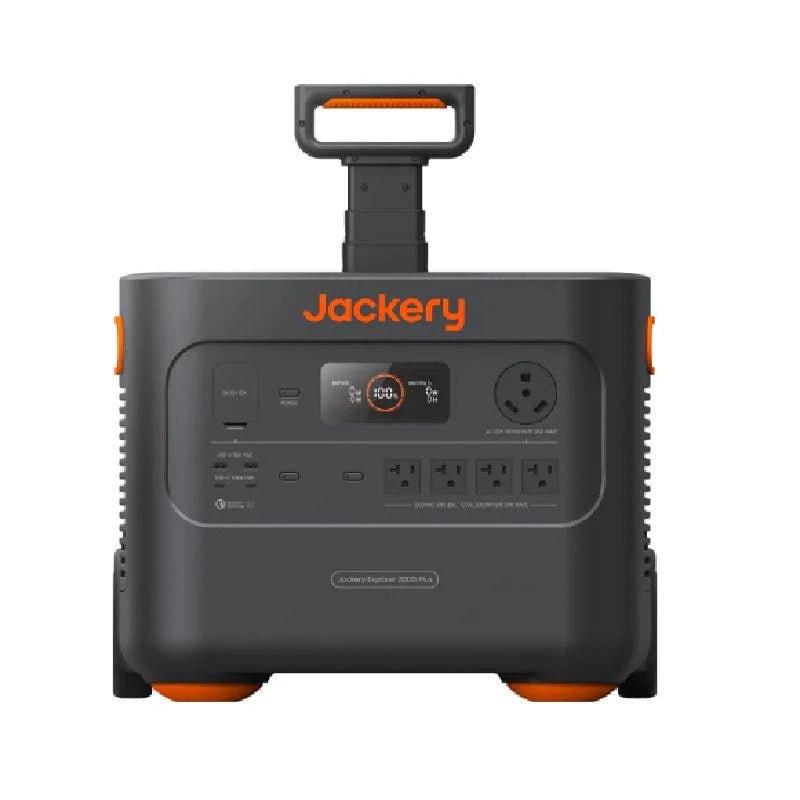
Best overall
Jackery Explorer 2000 Plus
2,042.8 Wh · 3,000 W · 61.5 lb · LiFePO4
$899 $2,199
Price checked Aug 28, 2026

Every house gets a night like this one. What matters is what’s still running an hour later: the fridge, the furnace, the lamp in the hall.
An hour is a different problem than three days. Pick the shelf that matches your worst night, not your average one. A quiet box in the hallway keeps the fridge and the router going until morning. A generator on a pad keeps the whole house going until the line crew arrives. Both are correct answers to different questions, and the question is always the same one: what has to stay on, and for how long.
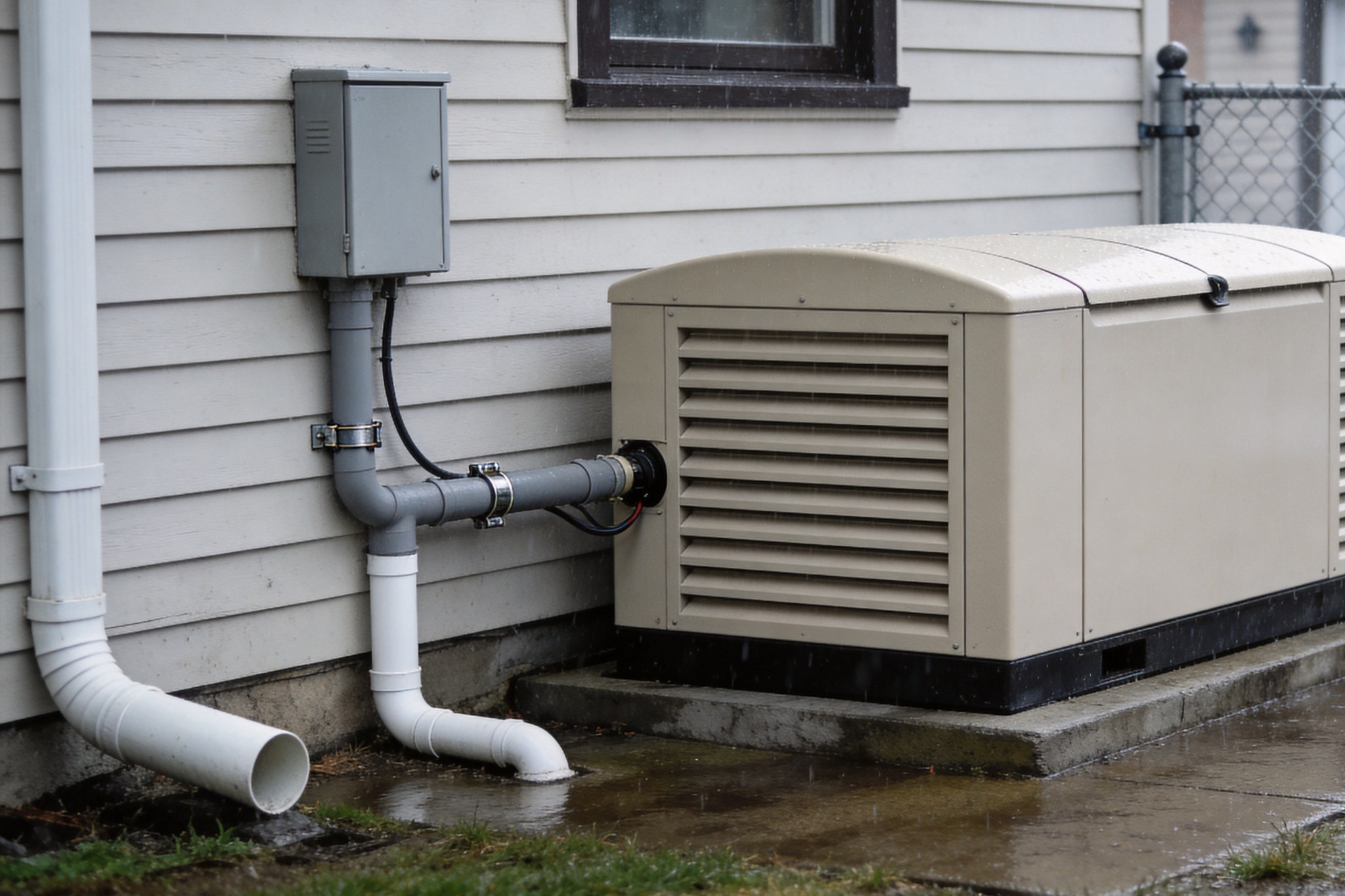 Whole-house generators
Wired in, automatic, runs on gas. For outages measured in days, and the only answer when the whole house has to stay warm.
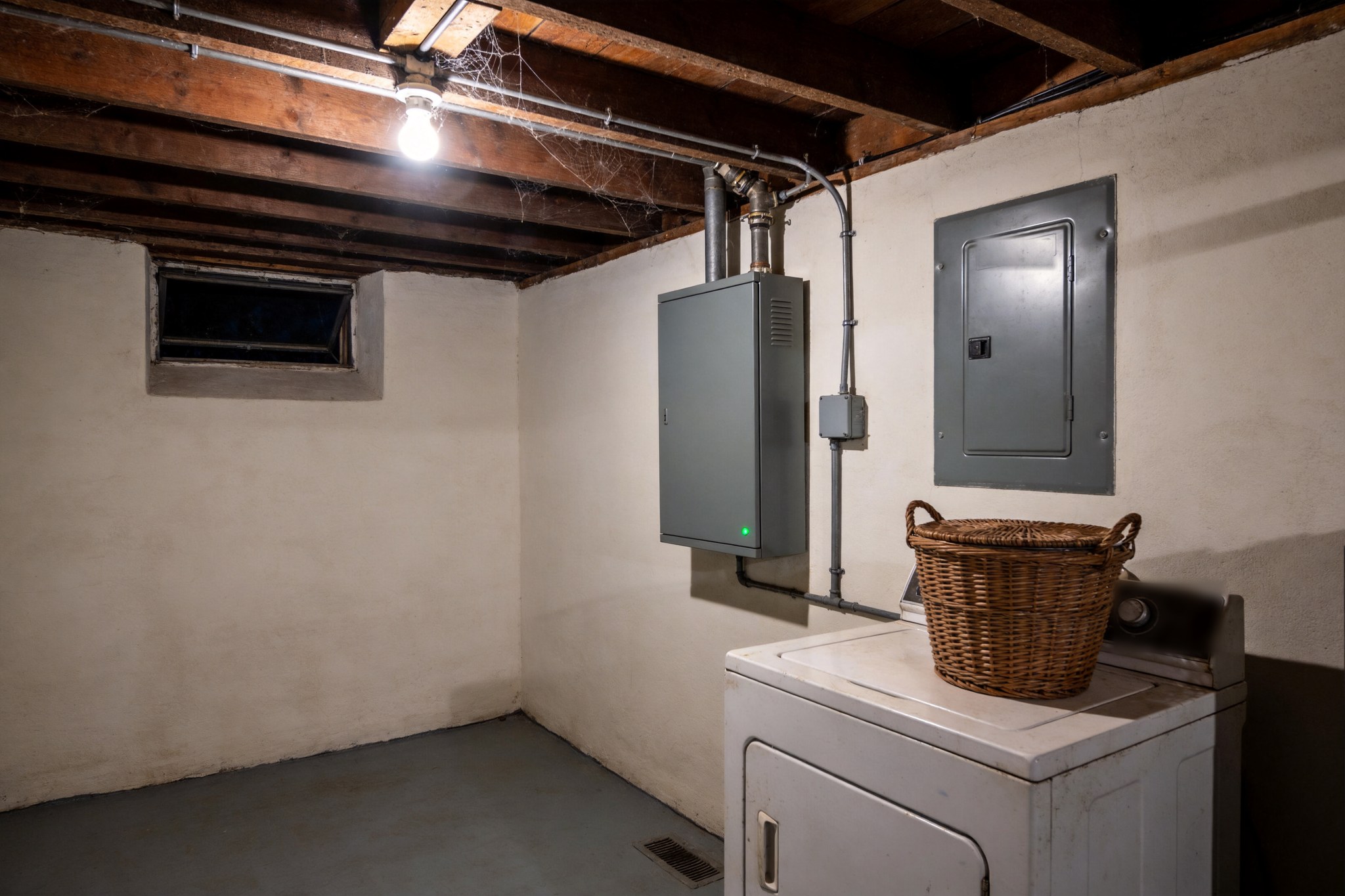 Home batteries
Silent, indoor, no fuel to store. It grows as your outages get worse, and one of them speaks 240 volts for the well pump.
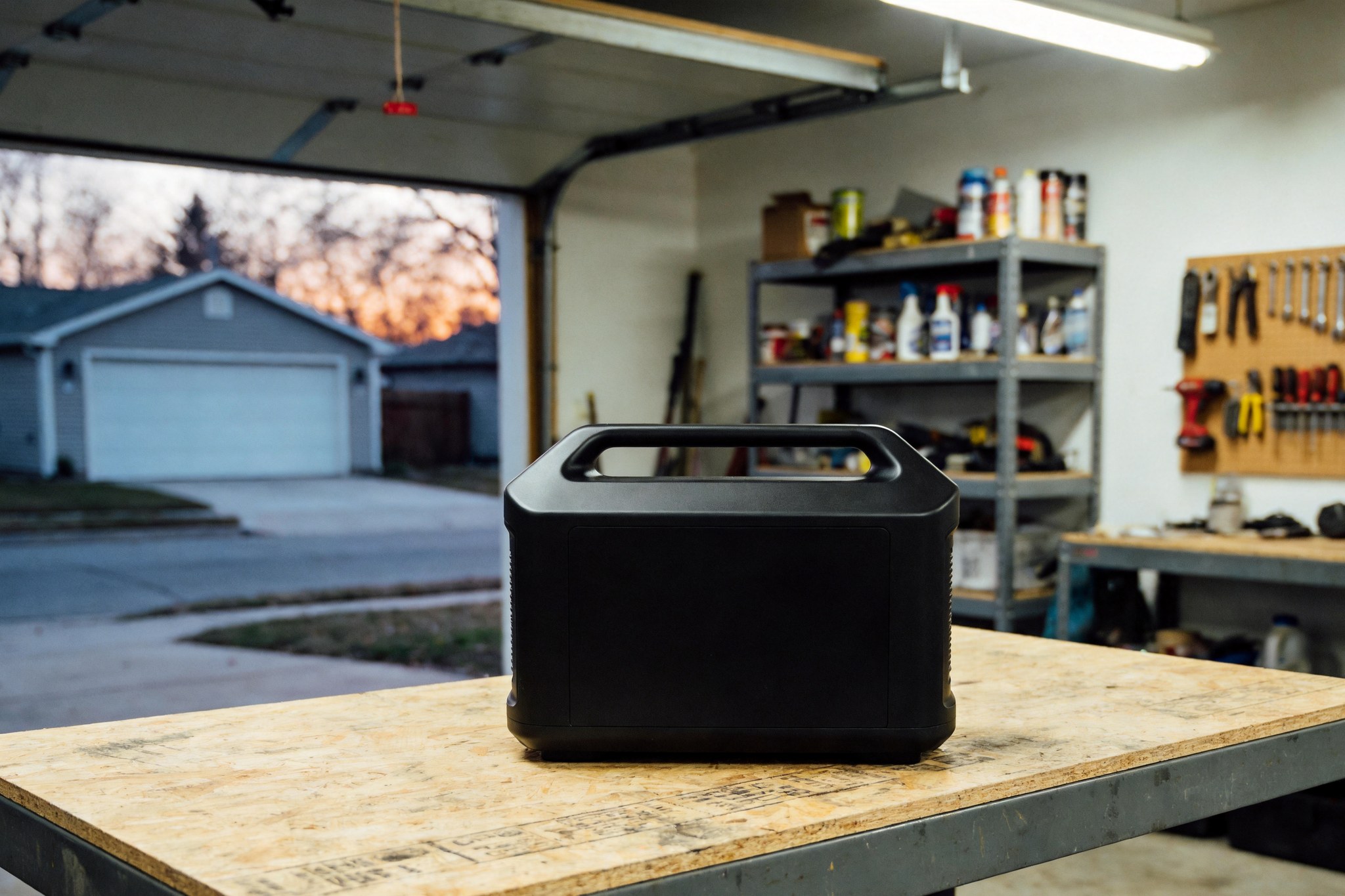 Portable power stations
The fridge, the router, the CPAP. Plug in tonight, no electrician, no fuel in the garage. For most houses this is the right first buy.
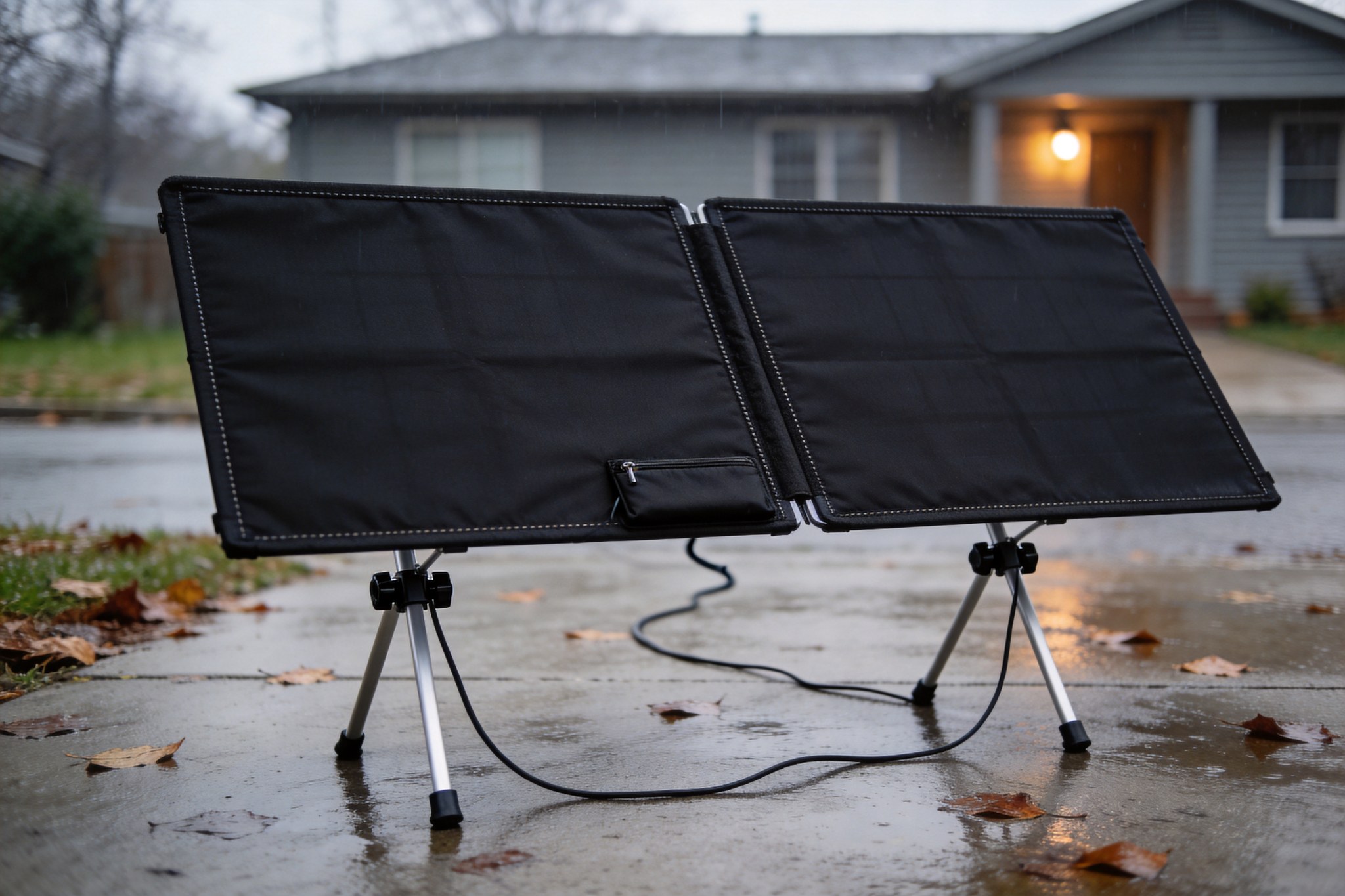 Portable solar panels
Day three, when the gas stations have lines and the battery is low. Daylight is the only refill that never runs out.
The short answer, if you only have a minute. Every price below carries the day we checked it.
Best overall
Jackery Explorer 2000 Plus
$899 Price checked Aug 28, 2026
$899 at Jackery, opens in a new tab
 Most expandable
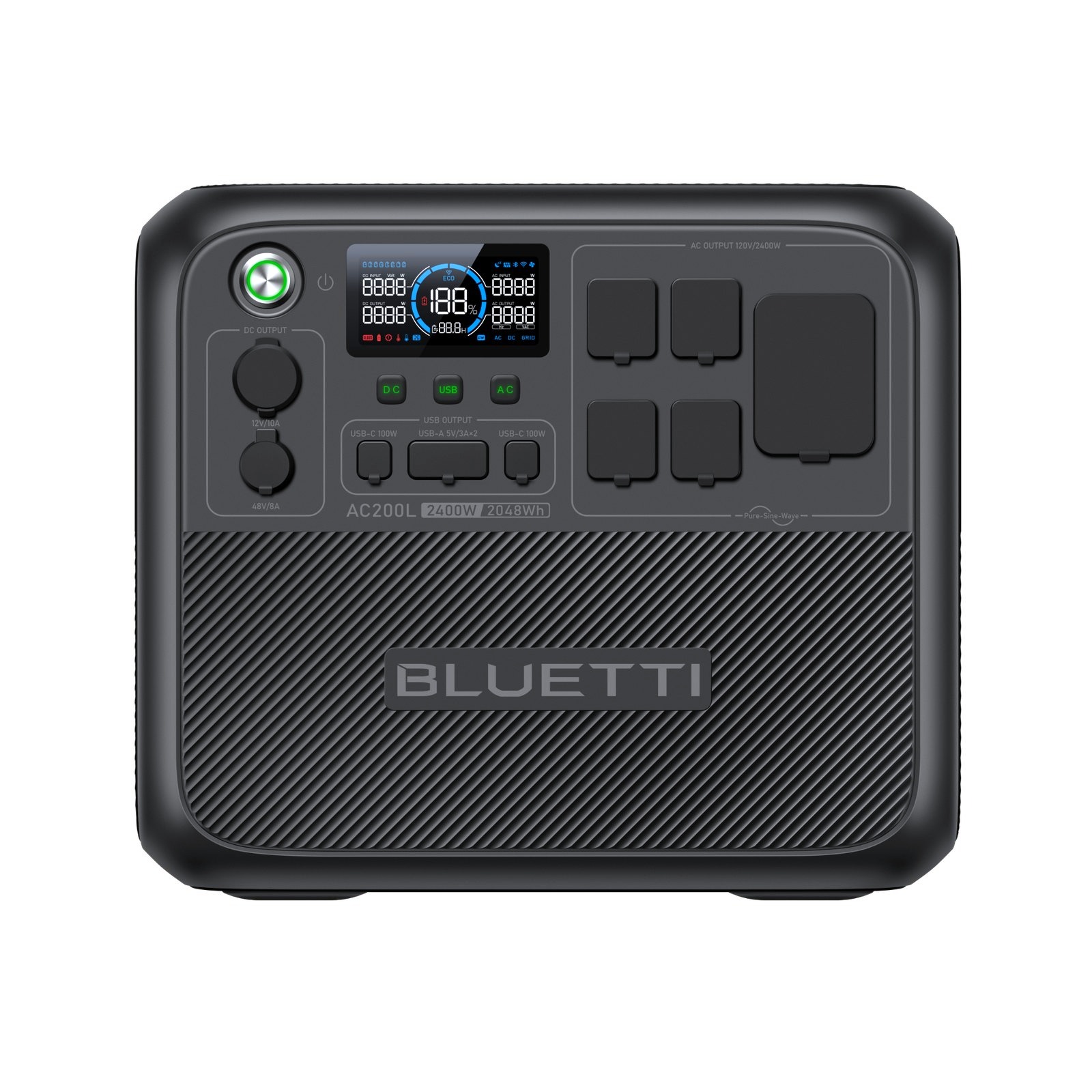
BLUETTI AC200L
$899 Price checked Aug 28, 2026
$899 at BLUETTI, opens in a new tab
 Best for 240 volts
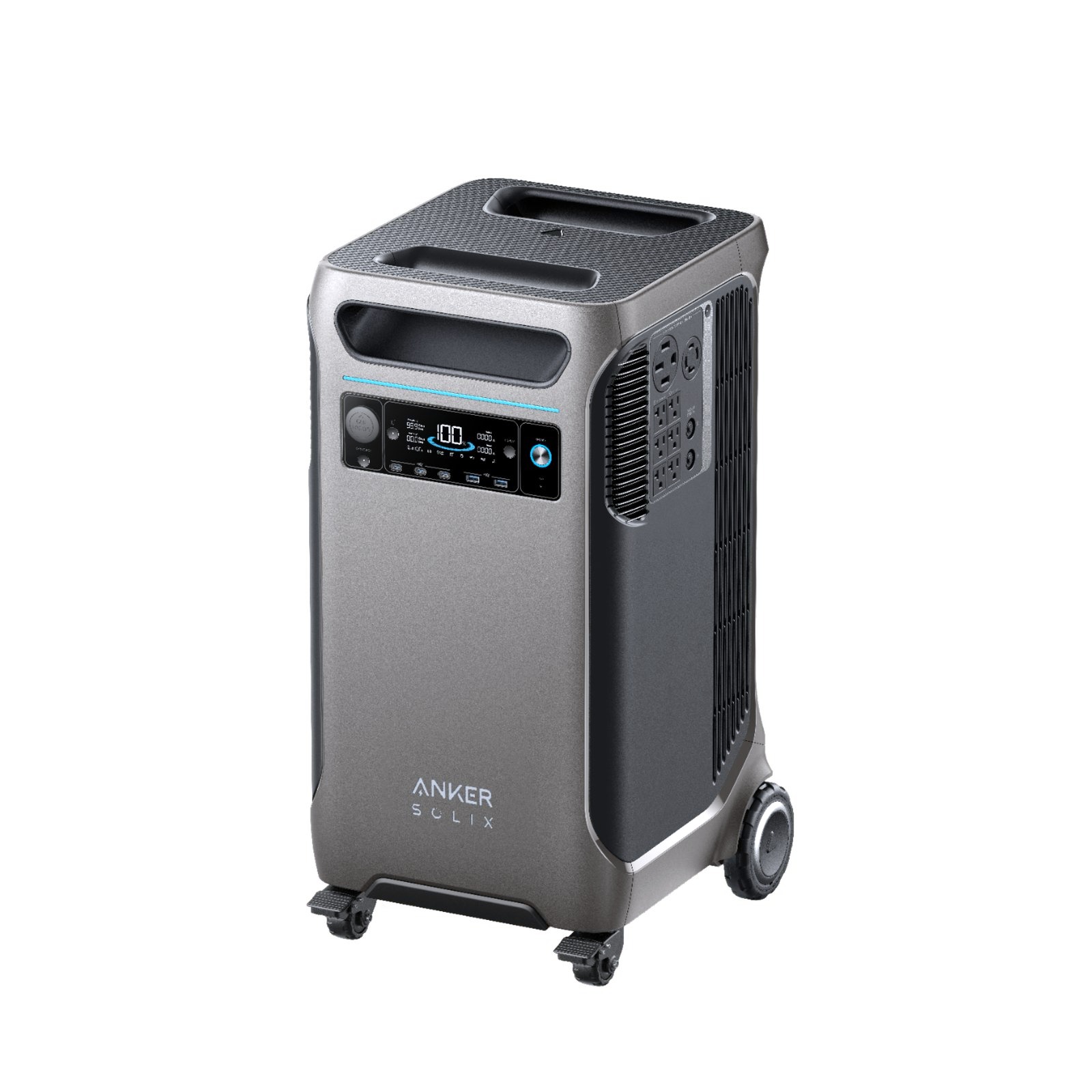
Anker SOLIX F3800
$2,199.98 Price checked Aug 28, 2026
$2,199.98 at Anker SOLIX, opens in a new tab
Three of these are portable power stations of roughly the same class: about 2 kWh, 120 volts, lithium iron phosphate, which is about two nights of refrigerator. The fourth is a home battery, and it is here for one reason only: it is the one cabinet in this group that speaks 240 volts, so a well pump keeps its job. If your must-keep list is all 120 volt, save the money and stop at the stations.
3 models in this class
2,042.8 Wh · 3,000 W · 61.5 lb · LiFePO4
$899 $2,199
Price checked Aug 28, 2026
2,048 Wh · 2,400 W · 62.4 lb · To 8,192 Wh
$899
Price checked Aug 28, 2026
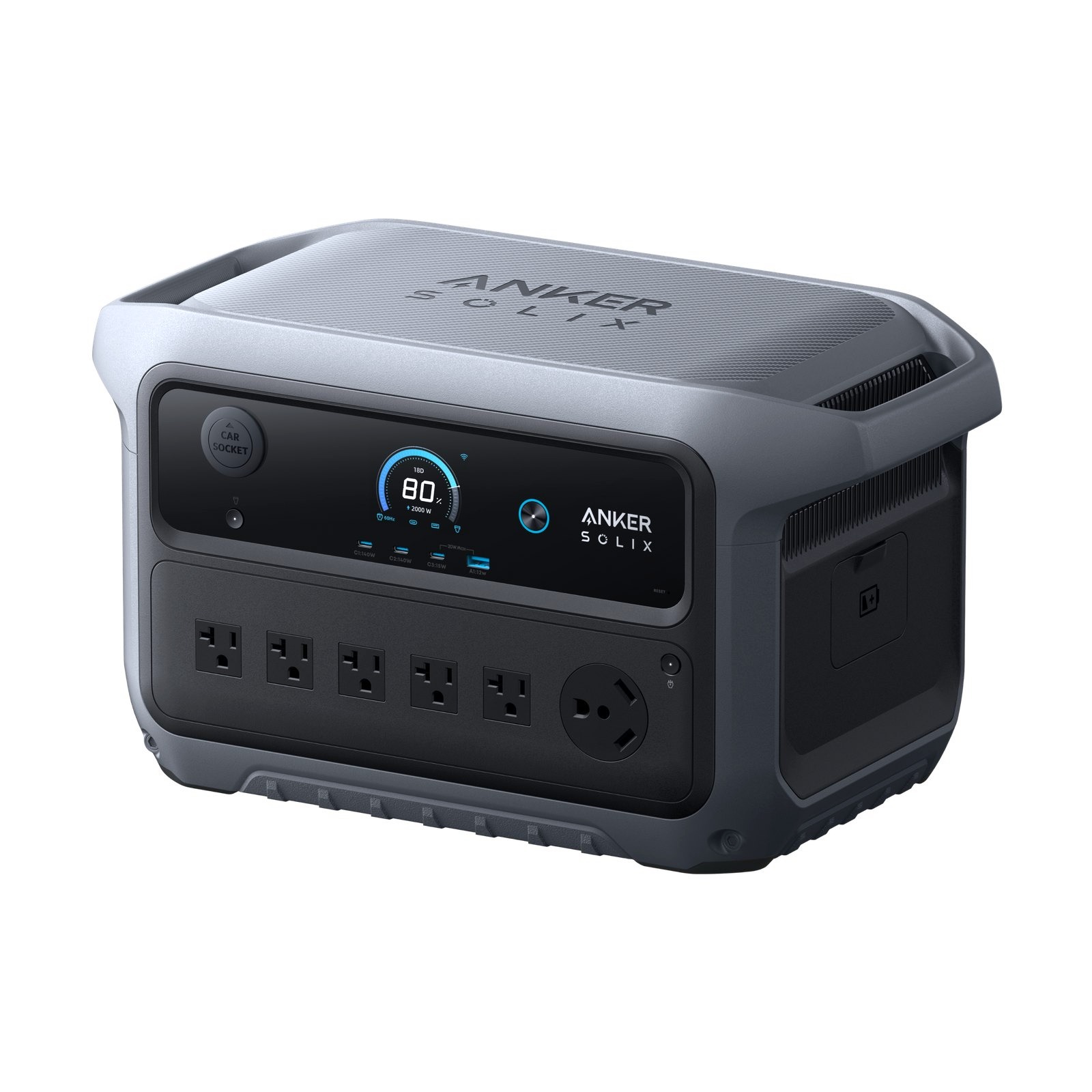
2,048 Wh · 2,400 W · 41.7 lb · 4,000 W peak
$999.99
Price checked Aug 28, 2026
Product photographs are the manufacturers’ own studio shots, used as supplied. Specifications and prices come from their US product pages, checked August 28, 2026.
A well pump, most dryers, and some furnace air handlers want 240 volts, and no amount of extra battery makes a 120-volt station do that job. One cabinet in this group can.
Best for 240 volts
3,840 Wh and 6,000 watts across both legs, with a 9,000 watt surge for the moment the pump starts. It is the only machine on this page that keeps a well running.
$2,199.98
Price checked Aug 28, 2026
| Model | Rated capacity | Rated output | Weight | Volts | Price |
|---|---|---|---|---|---|
| Explorer 2000 Plus, opens in a new tab Jackery | 2,042.8 Wh | 3,000 W | 61.5 lb | 120 V | $899 |
| AC200L, opens in a new tab BLUETTI | 2,048 Wh | 2,400 W | 62.4 lb | 120 V | $899 |
| C2000 Gen 2, opens in a new tab Anker SOLIX | 2,048 Wh | 2,400 W | 41.7 lb | 120 V | $999.99 |
| F3800, opens in a new tab Anker SOLIX · home battery | 3,840 Wh | 6,000 W | Not printed | 120 / 240 V | $2,199.98 |
Every battery on this page runs out. Daylight is the half of the plan most people skip, and by the third morning it is the only refill that has not gone to a queue at the gas station. Three folders earn their space in a garage.
3 folding panels
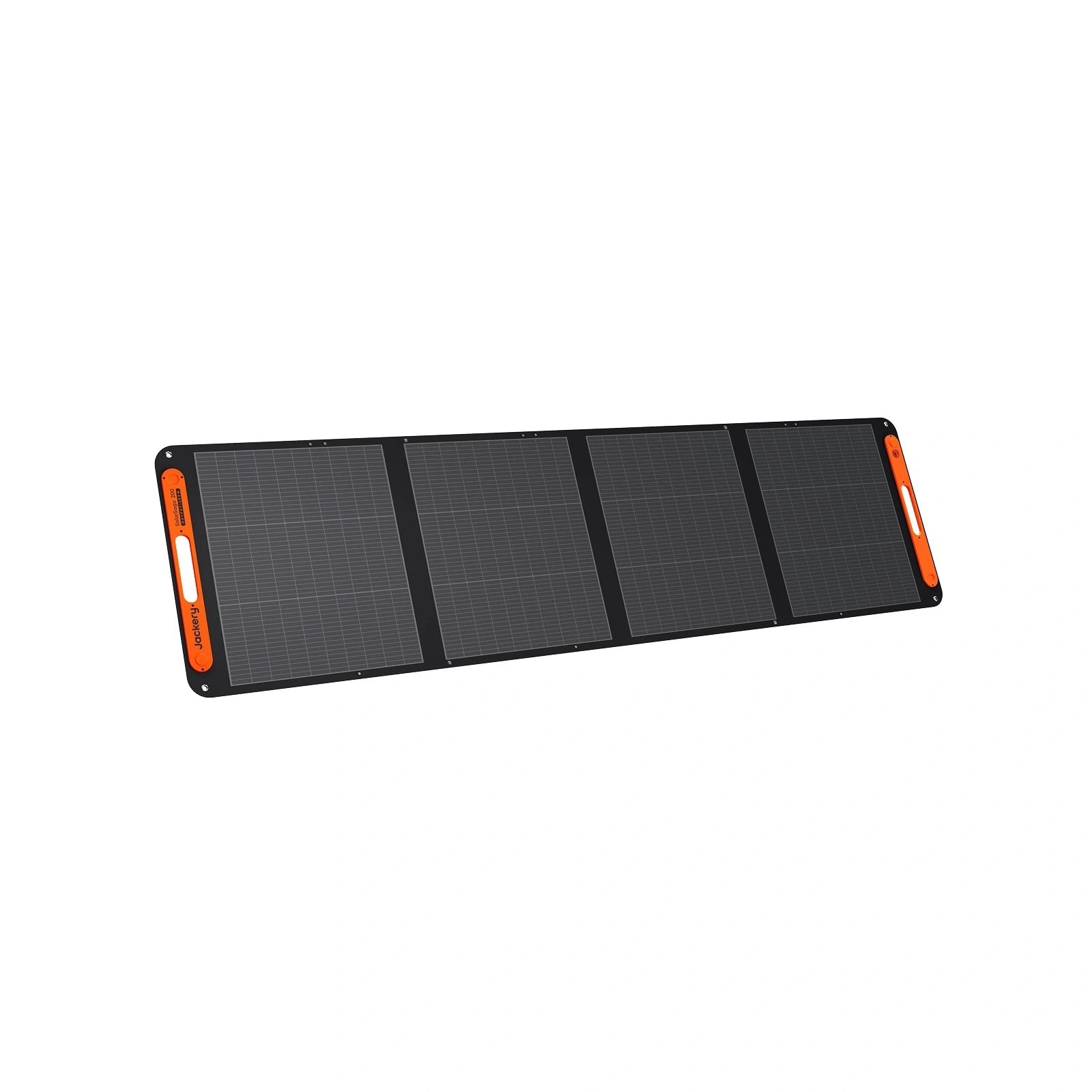
200 W · 14.33 lb · IP68
$379 $429
Price checked Aug 28, 2026
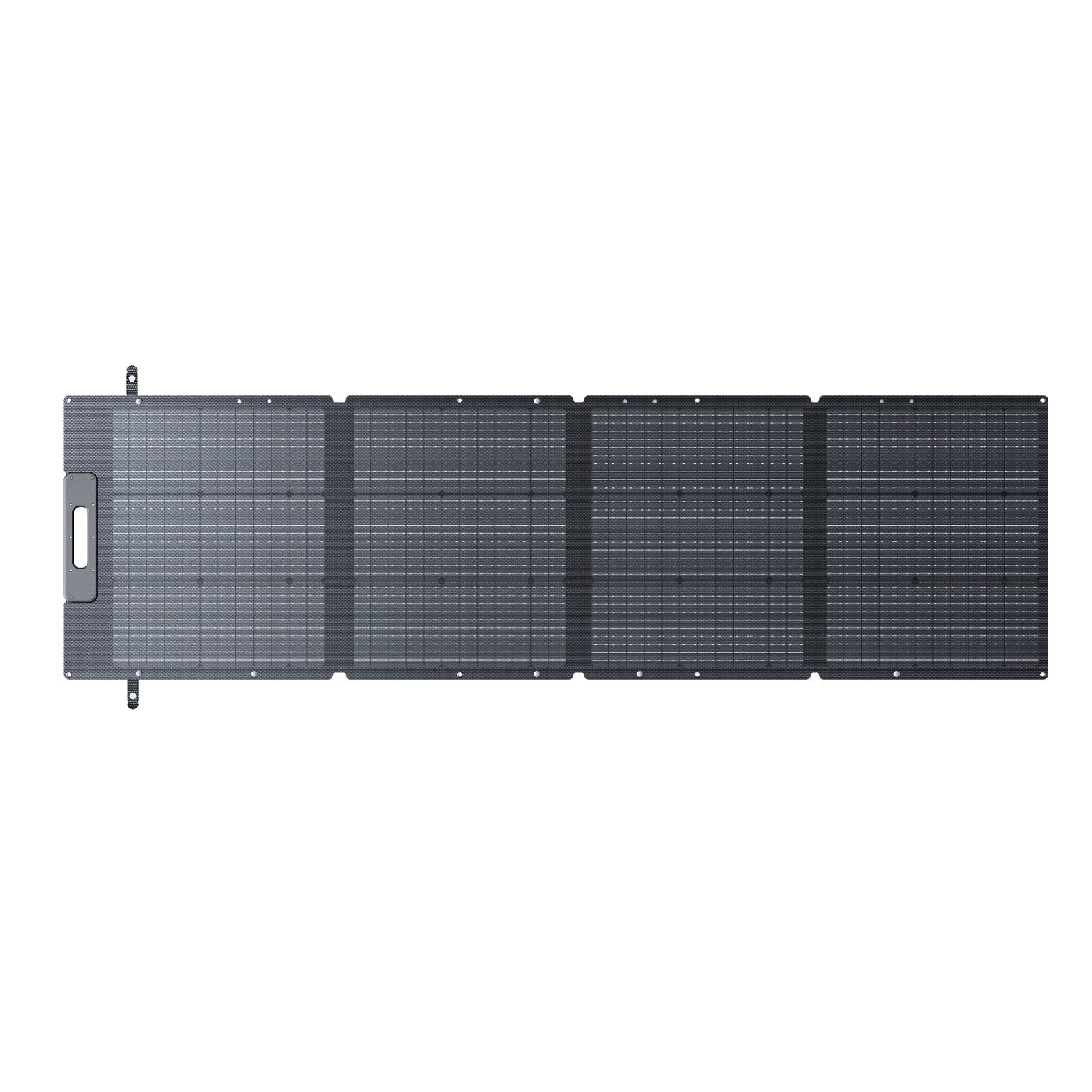
200 W · 24.6 V · 17.15 lb
$399
Price checked Aug 28, 2026
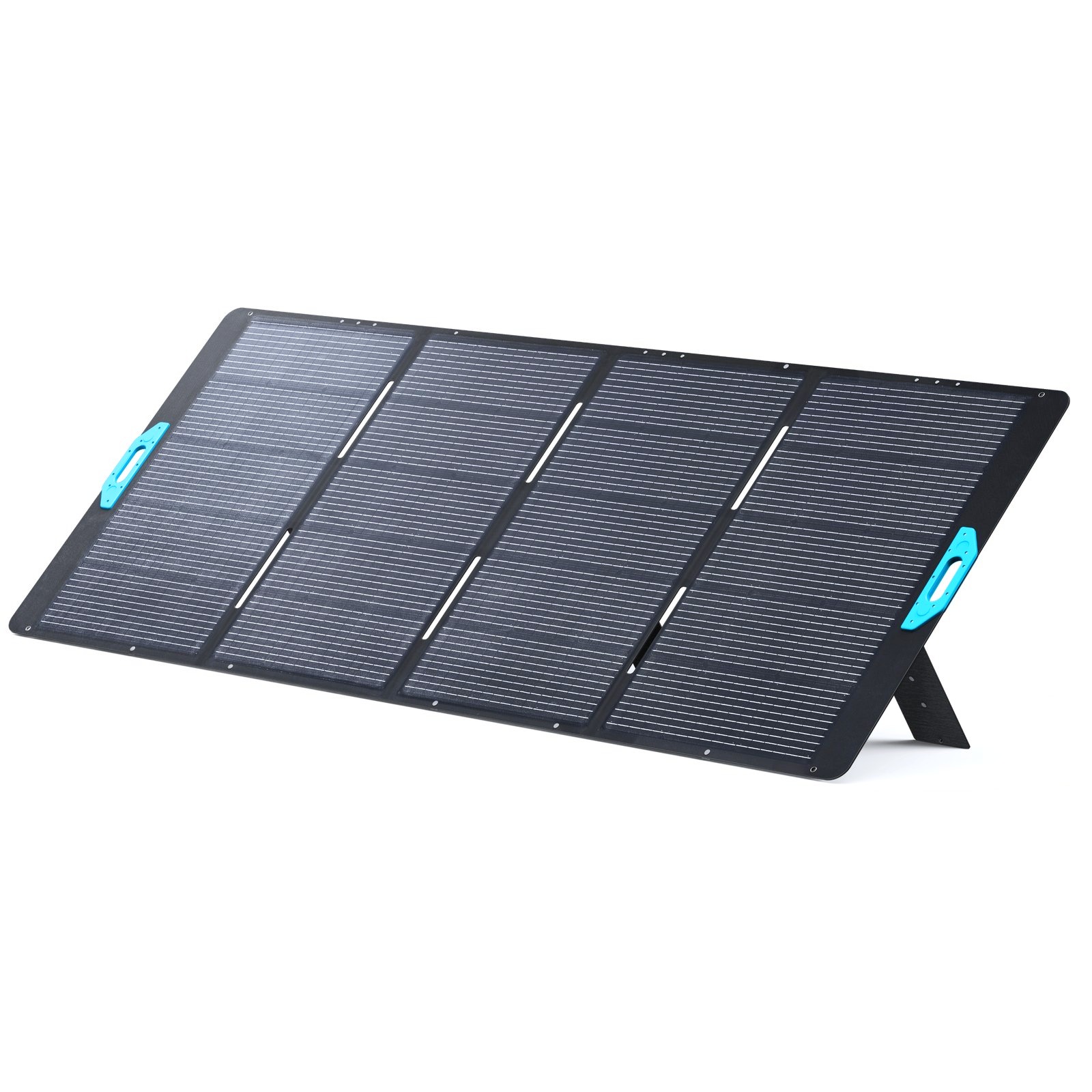
400 W · 35.3 lb · IP67
$699.99
Price checked Aug 28, 2026
Panel photographs are the manufacturers’ own studio shots. Rated watts are laboratory figures at full sun and square to the light, which is not what a driveway in October gives you. Plan on rather less.
| Panel | Rated watts | Weight | Weather rating | Price |
|---|---|---|---|---|
| SolarSaga 200W, opens in a new tab Jackery | 200 W | 14.33 lb | IP68 | $379 |
| SP200L, opens in a new tab BLUETTI | 200 W | 17.15 lb | Not printed | $399 |
| PS400, opens in a new tab Anker SOLIX | 400 W | 35.3 lb | IP67 | $699.99 |
No listicles bought by a brand. Just the reading we did before we spent our own money, written down. Twenty-one guides, grouped the way the shopping actually goes.
If you read only one more page, read the method behind all of them.
Backup power gets sold with storm footage and countdown timers. We would rather tell you the smallest thing that solves your actual night. Four rules do most of the work, and we apply them to every page on this site.
A quiet word on who we link to: the featured shops are Jackery, BLUETTI, and Anker SOLIX. The price you pay never changes if a commission is paid. EcoFlow makes fine hardware, but its affiliate window is usually quoted at 7 days, and backup shoppers compare for weeks, so we do not feature it. The whole arrangement is on the disclosure page.
And the honesty you deserve: we have not cycled every one of these machines through a winter. Our picks lean on the makers’ own printed ratings, the failure modes buyers actually report, and a refusal to guess where a page was unclear. We are writers, not your electrician: for anything touching your panel, your permits, or fire code, please bring in a licensed pro. Method: how we review. Spotted something off? Write us. Corrections are welcome here. Privacy: privacy.