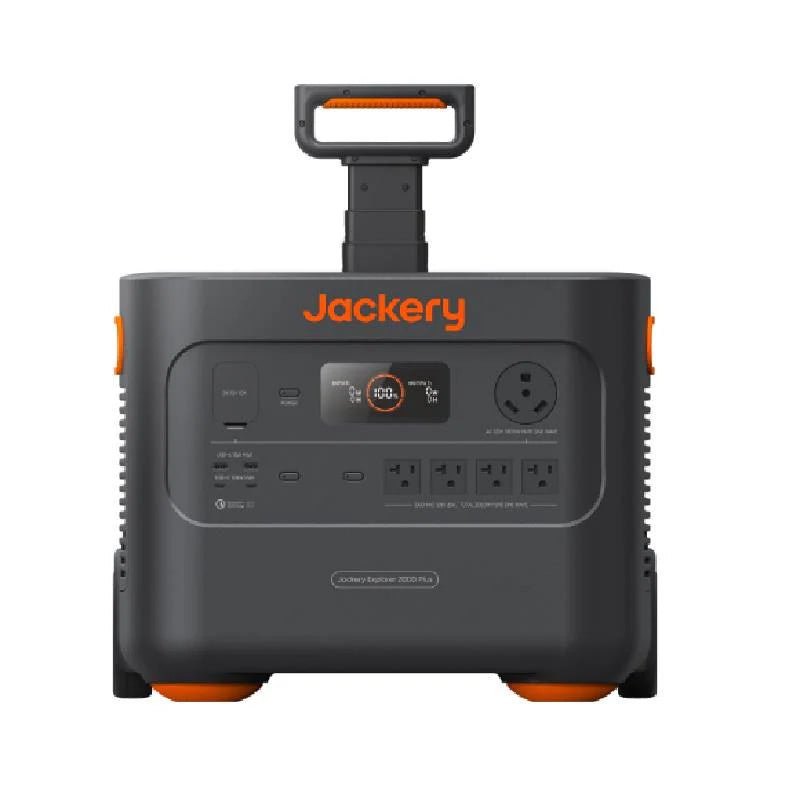
Best overall
Jackery Explorer 2000 Plus
2,042.8 Wh · 3,000 W · LiFePO4
$899 $2,199
Price checked Aug 26, 2026
A station can keep a kitchen warm-hearted and useful: the fridge humming, the Wi-Fi up, a lamp on in every room that matters. What it can’t do is impersonate the utility, and knowing where that line sits is the difference between a calm night and a disappointed one. Here’s the honest map.
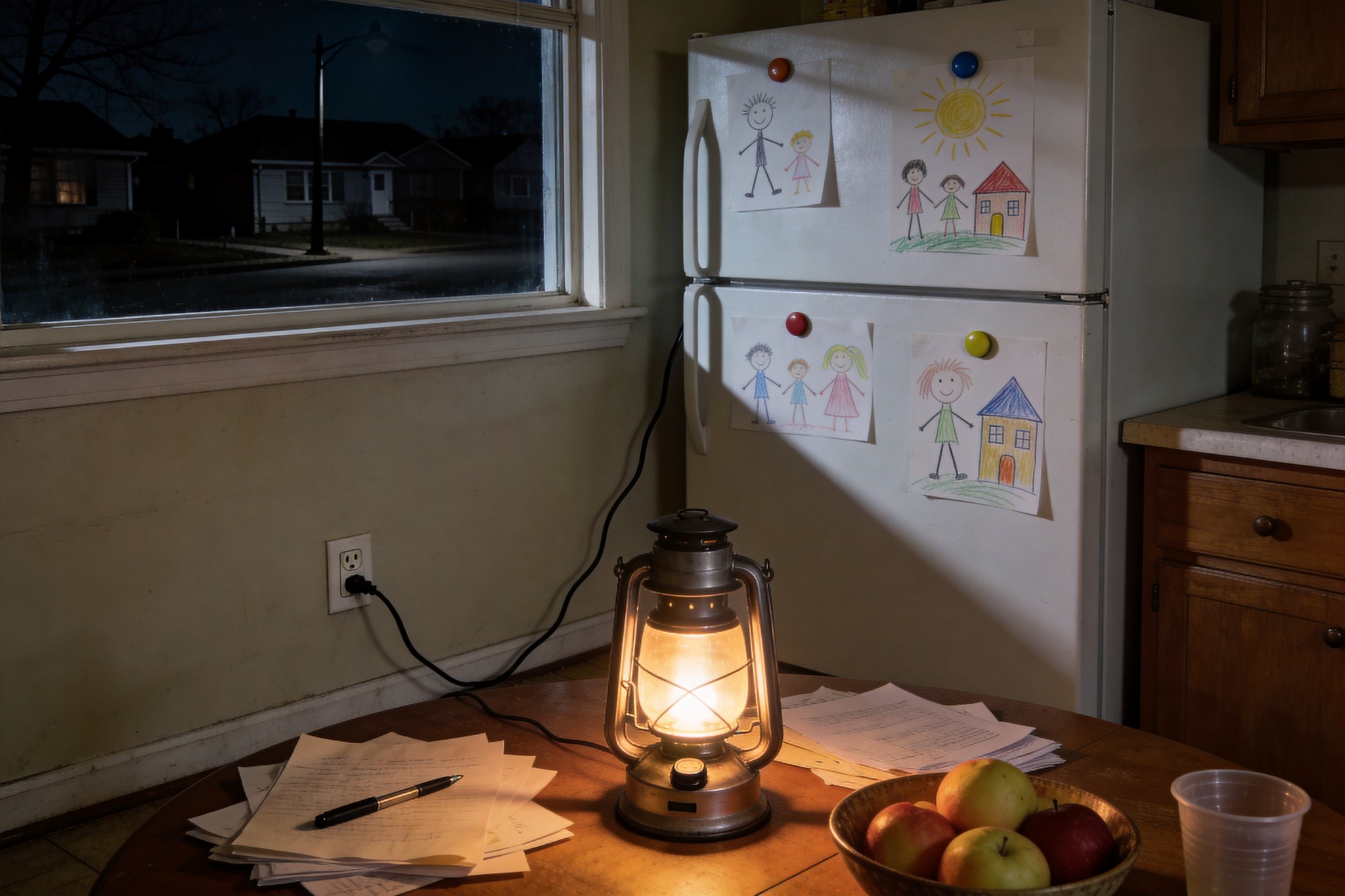

Home backup is really three different purchases wearing one name. A pad generator can carry a whole house, if you fund the install. An expandable 120/240-volt battery can feed wall outlets, if you size the voltage honestly. And a portable power station covers whatever you can reach with a cord you can see. Mix those three up and you buy the wrong machine. Keep them straight and every one of them is good at its own job.
This page is the cord version, the friendliest of the three. The class we feature holds about two nights of fridge at 120 volts: the Jackery Explorer 2000 Plus, BLUETTI AC200L, and Anker SOLIX C2000 Gen 2. Their job-by-job picks live at the stations we’d buy and the sizing arithmetic at the buying guide. This page is about the house, the cords, and the night itself.
(Boundaries, as always: no Powerwall, no rooftops, and EcoFlow unfeatured while its affiliate window is a 7-day mismatch. The shops: Jackery, BLUETTI, Anker SOLIX · disclosure.)
The craft of a good night is keeping the list short: every extra load is a shorter fridge. Close the refrigerator door and let the cold you already paid for do half the work. Skip the hair dryer. Eat the ice cream early if you must. That’s not failure, that’s dessert.
And if this list keeps disqualifying your house (furnace, well, air handler, days of runtime), that’s not bad news, it’s a diagnosis: you’re a generator or big-battery household, and those categories will treat you well.
Never backfeed a dryer outlet. No double-ended cord, no “just for tonight,” no matter how tidy the video made it look. Backfeeding can energize the downed line a lineworker is about to touch, and it can burn your service to the ground. It’s also illegal essentially everywhere. Okay, deep breath. Here are the paths that are legal, and pleasantly boring:
Pay the electrician when wiring is the goal. Skip the project entirely when cords will do. A corded fridge is a completely successful outage. There’s no trophy for complexity.
The quiet luxury of a battery: it’s welcome indoors. No exhaust, no engine, just a fan hum near the cereal cupboard. Keep it dry, keep the vents clear, and never let a gasoline generator borrow this paragraph. Combustion stays outside, at code distances, forever.
The makers’ own photos, specs dated August 26, 2026, full reviews one click away.
3 models in this category
2,042.8 Wh · 3,000 W · LiFePO4
$899 $2,199
Price checked Aug 26, 2026
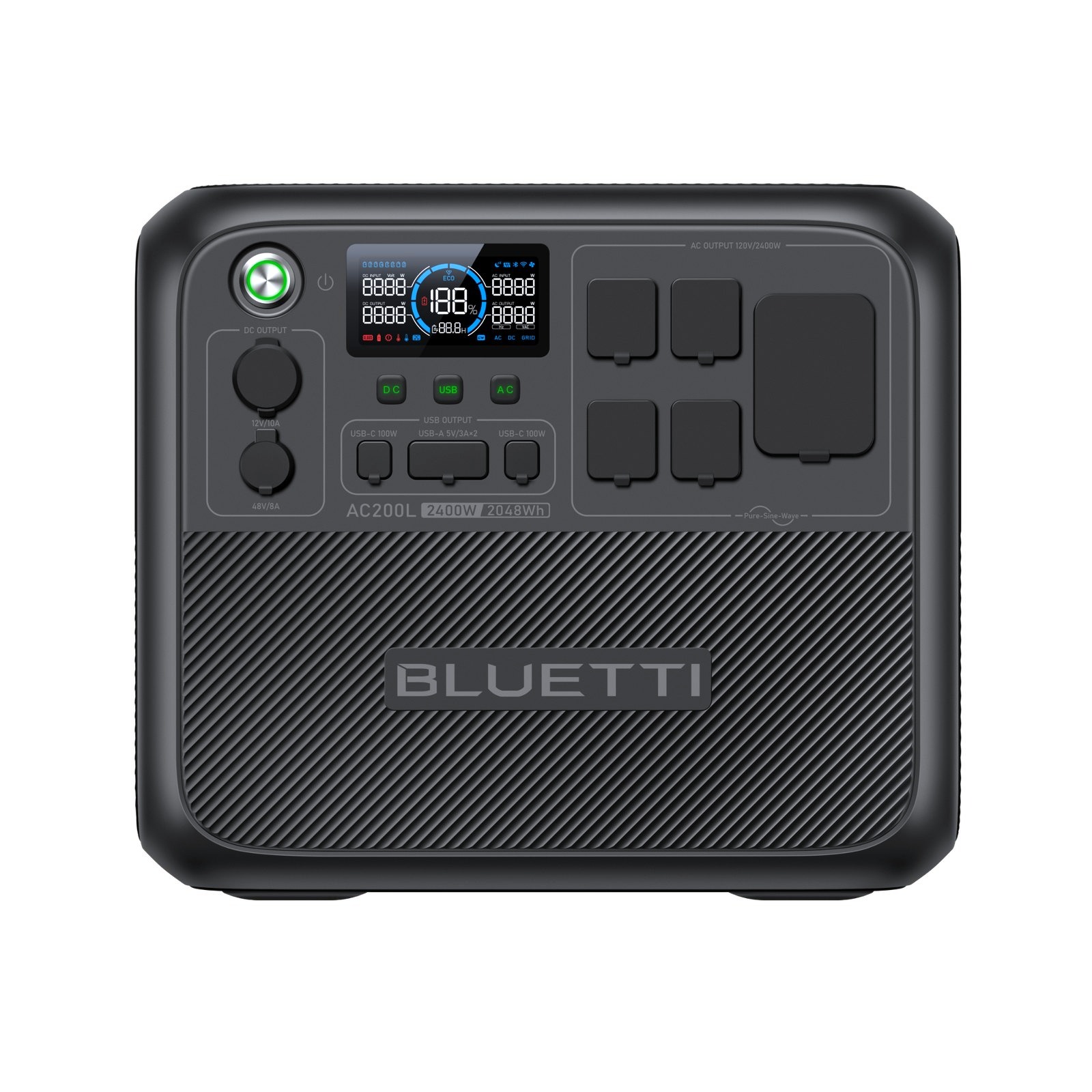
2,048 Wh · 2,400 W · LiFePO4
$899
Price checked Aug 26, 2026
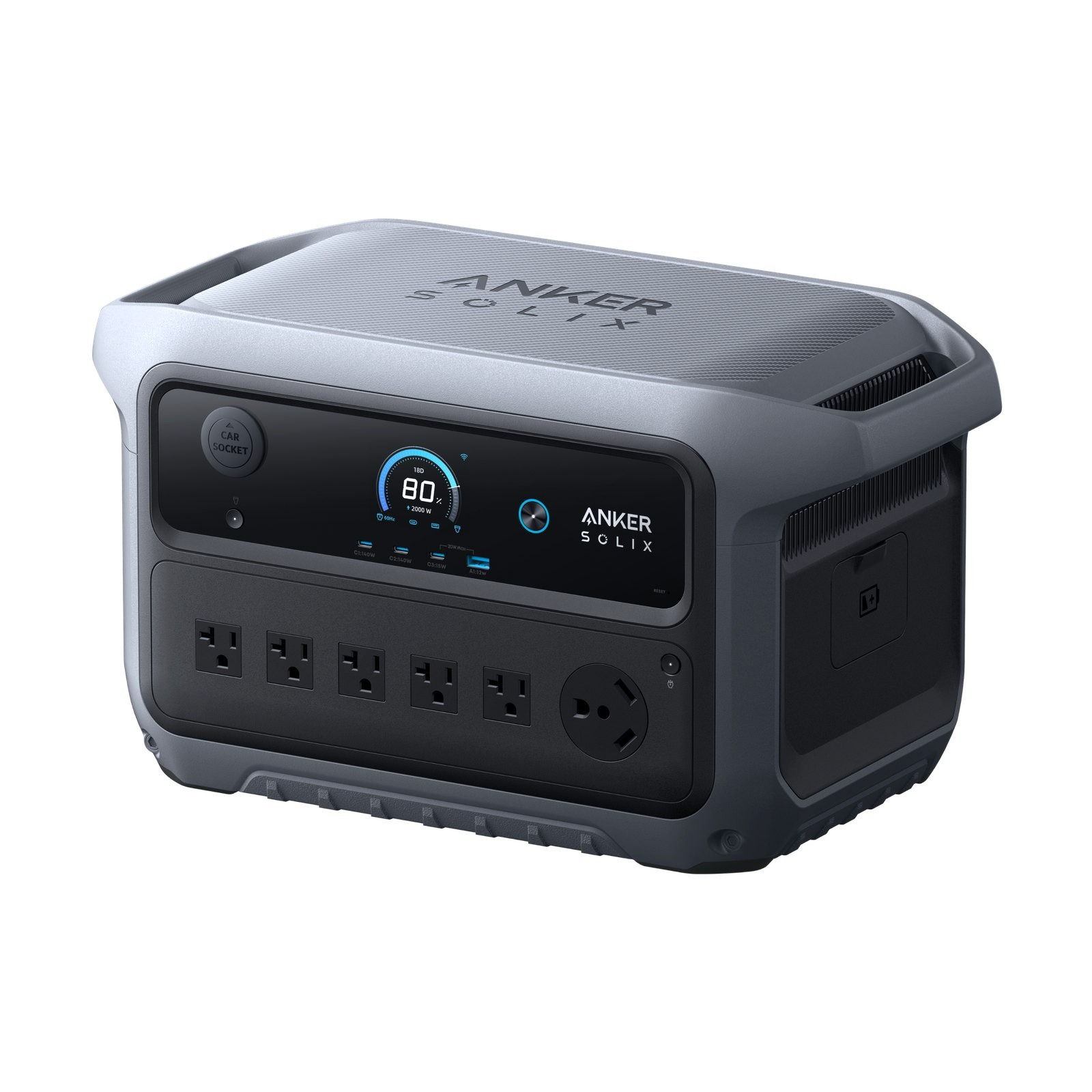
2,048 Wh · 2,400 W · LFP
$999.99
Price checked Aug 26, 2026
Product photographs are the manufacturers’ own studio shots, used as supplied. Specifications and prices come from their US product pages, checked August 26, 2026.
Outgrow cords someday and need real 240 volts? That’s the F3800 in the battery category, not a bigger station. The family question: Jackery vs BLUETTI vs Anker SOLIX.
Charge the station while the grid is healthy, and park it where you can see the display without a flashlight. When the lights drop, resist the urge to plug in everything you own. Fridge first. Network second. One warm lamp in the room where everyone gathers. Then stop, look at the watt reading, and go back to the board game. That number climbing slowly is the plan working.
If you own folding panels, they sleep until dawn. Then it’s unfold, aim, and let daylight buy back the night’s spending. A 200-watt folder is a steady trickle against a two-night tank. The 400-watt PS400 is a bigger trickle and a heavier walk out to the driveway. Matching rules: the panel guide · the shortlist: the panels worth unfolding.
Multi-day events are extra batteries plus a disciplined door, or they’re a generator. The AC200L path buys a lot of quiet fridge time, the Anker path a longer kitchen, the Jackery pack a second tank, and none of them buys central air. Tonight’s homework is the small kind: write your three must-run loads on an index card and stick it to the fridge. When the hum stops, the thinking is already done.
No backfeeding, ever. An electrician for anything that touches the panel. We haven’t inspected your wiring, and this page isn’t a permit. Links may earn us a commission at no change to your price. Corrections: contact · method: how we review · privacy: privacy.