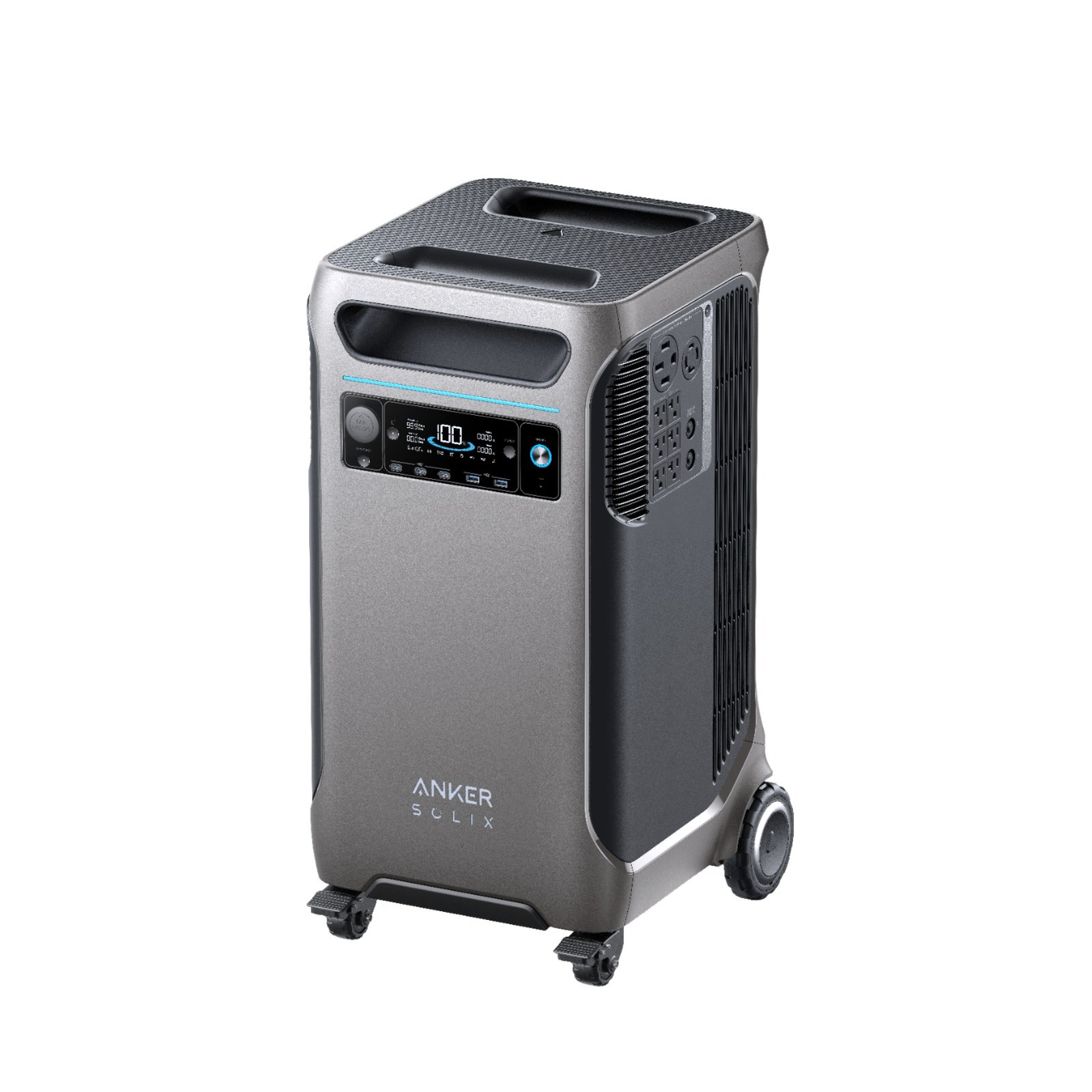
Best for 240 volts
Anker SOLIX F3800
3,840 Wh · 6,000 W · LFP
$2,199.98
Price checked Aug 26, 2026
On this site, a home battery is a cabinet you order, roll onto a dry floor, and add capacity to when the outages teach you what you actually need. No solar contract, no installer’s quote on the kitchen table. If someone’s already pitching you a Powerwall with a roof attached, you’re in a different store, and that’s okay.
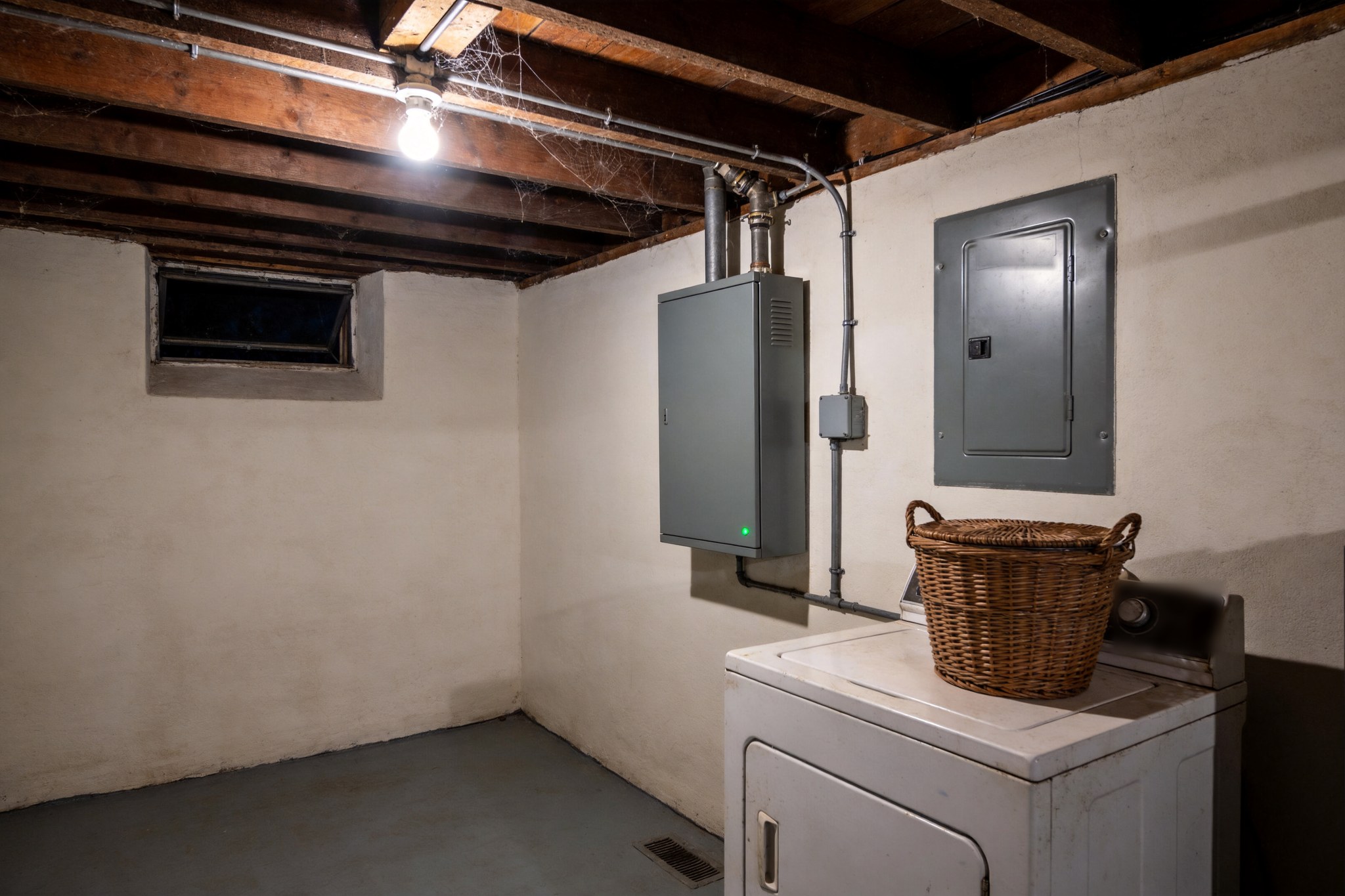

Type “home battery” into a search box and three very different products come back wearing the same name: a roof-tied storage system, an automatic standby generator, and a big portable battery that can feed a wall inlet. This category is the third one, and honestly, for a lot of houses it’s the sweet spot. A cabinet like the F3800 rolls in on casters, hums quietly, and never asks for gasoline. It does still want a licensed electrician if it’s going to touch your wall wiring, and it does run out of stored hours eventually. It’s a tank, not a power plant. Knowing that going in is most of the wisdom here.
The short answer, if you only have a minute. Every price below carries the day we checked it.
Best for 240 volts
Anker SOLIX F3800
$2,199.98 Price checked Aug 26, 2026
$2,199.98 at Anker SOLIX, opens in a new tab
The headliner is the Anker SOLIX F3800, and one line explains its whole existence: it speaks 240 volts. Well pumps, dryers, split-phase inlets: the loads every other battery here politely declines. It holds 3,840 Wh, pushes 6,000 watts steadily with a 9,000-watt surge for the moment a motor wakes up, and cost $2,199.98 on Anker’s page when we checked on August 26, 2026. It’s expandable. Anker just says “yes” without naming the module, so we won’t name it for them.
The other two are 120-volt machines that grow. The BLUETTI AC200L (2,048 Wh, 2,400 W, 62.4 lb, $899) can stretch all the way to 8,192 Wh with extra batteries, and that’s a lot of quiet fridge nights. The Jackery Explorer 2000 Plus (2,042.8 Wh, 3,000 W, 61.5 lb, $899 that day, listed at $2,199 before the sale) grows with the named Battery Pack 2000 Plus. Neither maker prints one clean surge number, so we leave those cells blank in our tables. A blank cell is not a hidden 6,000 watts, it’s just us refusing to guess.
And the one rule worth taping to the fridge: stacking batteries never changes voltage. Extra packs buy you more hours (more fridge, more lamps, more of the baby monitor), but a 240-volt well needs the F3800 or a standby generator, full stop. That single sentence saves more money in this category than any coupon.
3,840 Wh · 6,000 W · LFP
$2,199.98
Price checked Aug 26, 2026
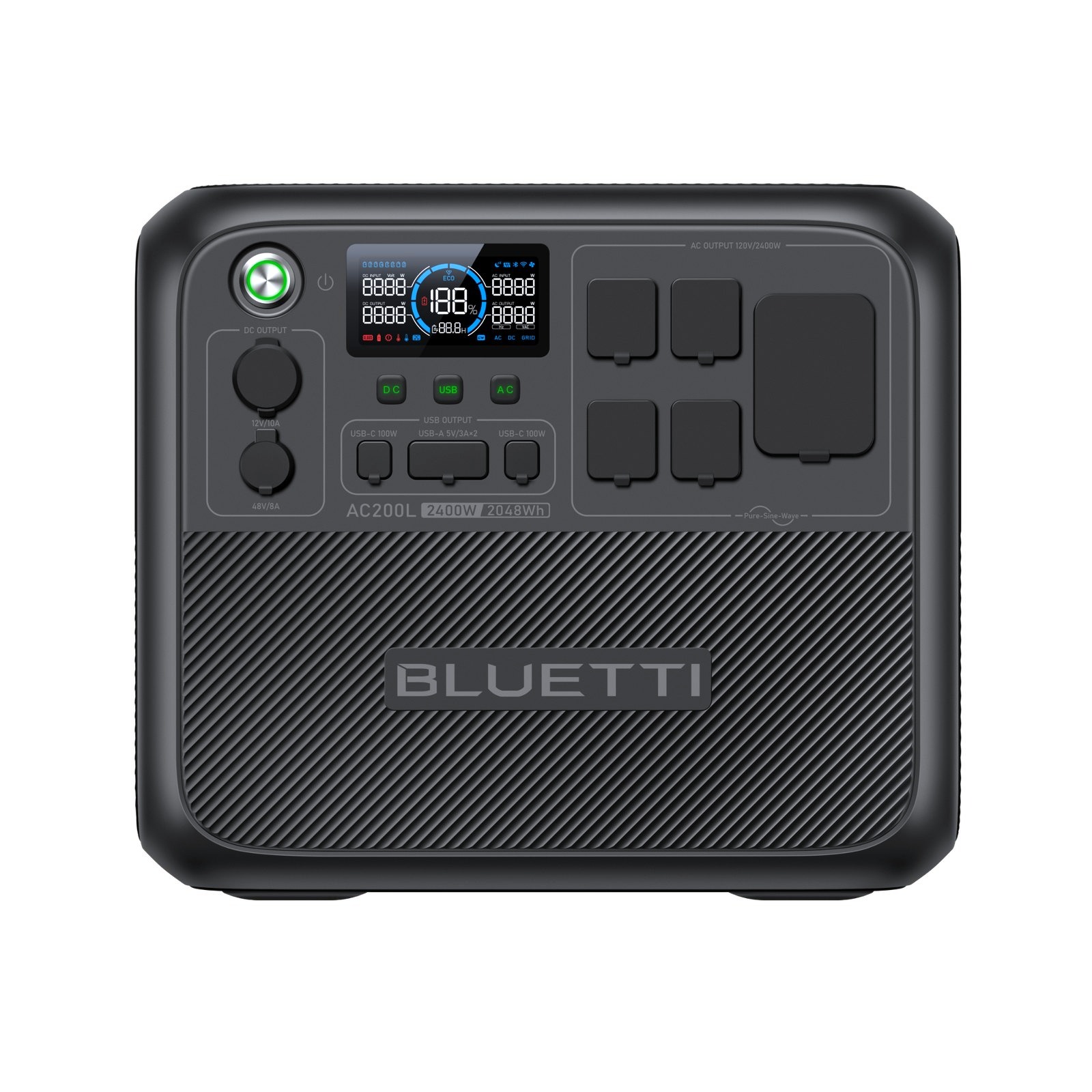
2,048 Wh · 2,400 W · LiFePO4
$899
Price checked Aug 26, 2026
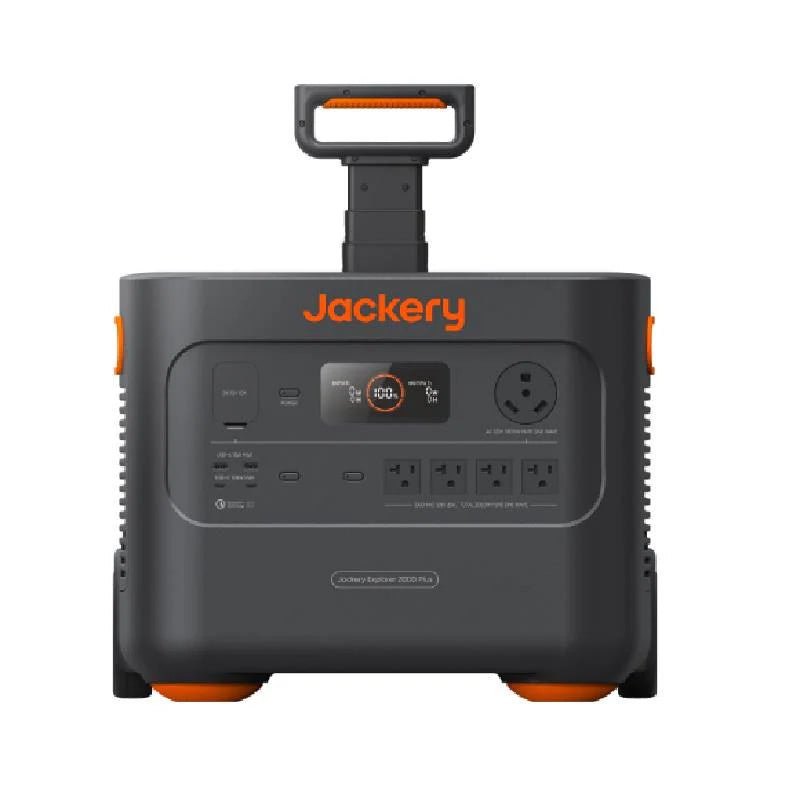
2,042.8 Wh · 3,000 W · LiFePO4
$899 $2,199
Price checked Aug 26, 2026
The F3800 is the 120/240-volt cabinet. The AC200L and Explorer 2000 Plus are 120-volt machines that grow. Photos are the makers’ own studio shots. Specs checked August 26, 2026.
The featured shops are Anker SOLIX, BLUETTI, and Jackery. The price you pay never changes if a commission is paid. Why those three and not others: how we review. The long version: disclosure.
Tesla Powerwall and other wall-mounted systems. Excellent products for the house that is also getting a roof array. They’re out of scope here because you can’t just order one and roll it into a basement. There’s an installer, a survey, and a contract in between, and that’s a different kind of decision than the one this site is built for.
EcoFlow Delta Pro Ultra. A serious 240-volt rival to the F3800, with a bigger tank on it. It’s missing here for the same reason it’s missing everywhere else on this site: the affiliate window is short, and we’d rather leave money on the table than build a whole category on top of it.
DIY server-rack LiFePO4 banks. Far more capacity per dollar, and genuinely the right answer if you’re patient and you have an electrician friend who owes you one. It’s also a wiring project with a real fire code attached, which puts it well outside what we’ll recommend to a first-time buyer at nine o’clock on a stormy night.
The good install is wonderfully boring: a dry floor, labeled cables, an electrician’s interlock if there’s an inlet, and one fridge-start test done in daylight while everything is calm. Decide the “off” list now, too (the range, the dryer, most of the air conditioner), and write it on the cabinet, so nobody flips the wrong breaker at midnight out of hope.
Recharge is the other half of the purchase, and people forget it until night two. The wall refills the battery between flickers. Portable panels refill it in daylight, slowly, and only if somebody goes out and re-aims them at noon. And a space heater will drink 3.84 kWh in an evening, which is why the off list exists. Extra modules stretch a multi-day event beautifully. They don’t repeal physics, and they were never supposed to.
We haven’t cycled every cabinet through a winter ourselves. Our picks rest on the jobs each machine fits, the makers’ own electrical ratings dated August 26, 2026, and the documented ways buyers get burned: surge, voltage, and illegal hookups. EcoFlow makes competing kits, and we don’t feature them while the affiliate window is a 7-day risk. And there’s no invented generator link dressing this category up as something it isn’t.
If your real job is smaller (a fridge and a modem for an evening), take it to power stations for home backup and spend less. If it’s bigger, like an automatic machine on a pad, start with what a standby really costs. Size it first. The buying part gets easy after that.